


Love and Loss
Newsletter April 28th, 2025 Together, we're #keepingitsacred...

This week has been a week of mourning for many with Pope Francis' passing. Catholics from around the world have leaned on memorial rituals developed over thousands of years to move through their grief and ready themselves for a new pope via a conclave. As I watched the news, I have been thinking a lot about our own rituals of life and death in the Jewish tradition. I have thought about this lately, too, because we are currently amidst another wave of deaths (I find they come in waves, which is oddly comforting to feel like people approach the Mystery together).
We are currently mourning with our friend Rabbi Susan Goldberg whose mother Ruth Beaglehole passed; with our member Corinne who has lost several loved ones recently including dear friend Alexandrine; with our member Jerry whose brother Marvin Nodiff passed; and just today I learned from our member, Ryan, of the passing of his mother, our member Bonnie Chaban, for whom we are planning a shiva (please let me know if you are in Orange County and want details to join in the remembrance for her or to send condolences). Ecclesiastes says there is a time for every purpose in heaven, and now seems to be a time of death. So, what do we do when we lose someone we love?In Jewish tradition, we have many beautiful customs, each ritual handing us off, one to the next, marking each step in the process of honoring the life of the deceased. This moves us gently into a focus on the lessons learned from the life lost. In this way, our tradition moves us from grief to memory.Here’s what I mean: There is a period right before the death which in and of itself is a tender time called aninut. And immediately at the time of death, a ripping of clothing called kri’a. We have burial practices following a process of care for the body, and the burial itself. Then the period of shiva, the seven days of mourning with built-communal supports. Then, a walk around the block, to move us through time and space as we move through our grief. Shloshim marks 30 days of mourning, and then a first year of mourning. And each of these is punctuated with a calendaric observance of Yizkor — reminding us that communal holiday gatherings are the times precisely when we remember those who are no longer with us. Communally, too, when we mourn, we remember— Yizkor means “remembrance.” And when we observe Holocaust Remembrance Day as we did last week, we simply say “zachor” which means “remember.” And tomorrow night, is Yom HaZikaron which means “Day of Remembrance.” It is Israel’s Memorial Day. Keeping It Sacred is proud to partner with our Friends at the Parents’ Circle, Combatants for Peace, Standing Together, and other organizations to honor with love all of those who have died by the seemingly endless cycle of violence in the Middle East, and to envision a future together of peaceful coexistence. It seems that sometimes our grief and memory can inspire in us a commitment to moving forward into the future we need it to be. (Please see below for more on this important event).So, how do you remember? How do you honor the lives of loved ones lost? Through a memorial service dedicate to the precious values loved ones lives taught? By setting up a scholarship in their memory? Supporting the organizations they loved? Writing a song for them? Sharing their memories with their relatives? There are many ways to grieve, and being thoughtful and intentional about deceased loved ones is how we’re keeping it sacred.
Together, we’re #keepingitsacred…
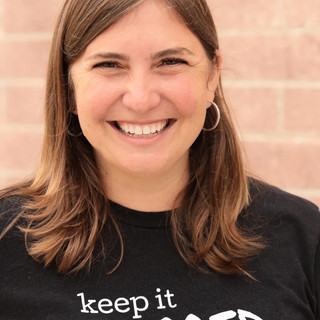
Rabbi Heather Miller
Founder, Keeping It Sacred
For more information, please see the full newsletter and our full newsletter archive at keepingitsacred.com/news
And to sign up for the newsletter every week, please sign up at the bottom of the page in the purple boxes-- we just need your name and email address.
Thanks for your interest, and thanks for #keepingitsacred…


