


Overzealousness
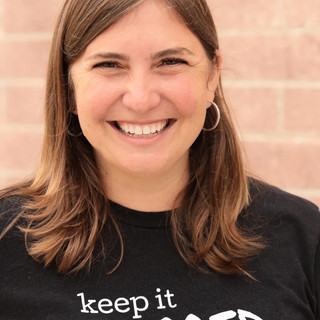
Newsletter September 15, 2025 Together, we're #keepingitsacred...

The shofar, originally made from a ram’s horn, was meant to remind listeners of the classic biblical story of the Akedah. The Akedah story is the one where Abraham was called by God to sacrifice his son, Isaac, on top of Mount Moriah.
And what happened?
Just as he was about to slaughter the boy, knife-wielding hand raised, a voice called out from heaven, “Abraham, Abraham!” And he answered, “Here I am.”
The voice continued to insist that he not harm the boy, and instead he saw there a ram, which he offered in place of his son.
This is an incredibly disturbing story. It is traditionally read on Rosh Hashanah morning at temples all around the world. But there are others communities, like ours at Keeping It Sacred, who choose to instead read about the Creation of the Universe. (Creation of the Universe is approriate since Rosh Hashanah IS celebrated as the first day of the world!).
But so then, what do we make of the story of the Akedah? Do we just ignore it, or is there something to be learned from it?
One thing that I have been thinking about especially this week is the Ram as a symbol of an alarm that wakes us up, especially from destructive extreme religiosity. It was present there in the story when Abraham woke up to see the truth from being blinded by overzealous adherence to what he thought God wanted.
The sound of the ram’s horn reminds us of the sad wailing of pain we cause when we think our way is the ONLY way to think about any topic, especially one that can't be proven anyway.
The Talmud also doesn’t want us to be overzealous in our religious beliefs. There’s the famous story that I love about Rabbi Shimon bar Yohai and his son who had to hide in a cave to escape persecution against Jews who would teach and learn Torah. There, in the cave, they lived for 12 years doing nothing but eating fruit from a meager carob tree and learning Torah. But when they emerged from the cave, their Torah was way too potent.
How do we know? Because everywhere they looked, they judged people, and beams of light would come out of their eyeballs and burn everything up. God got angry and sent them back into the cave to temper their potency.
The goal, it seems, to God, is not to blindly adhere to what you THINK God is telling you. And to not just judge everyone around you for how you think they OUGHT to act. No, the Torah especially should never be used in this way. The Torah should be used as a guideline, and a tool to help humanity live meaningful lives, without destroying others in the process.
I have seen way too many people over my lifetime use scripture to tear people down. And this should be considered an abomination because it is a kind of idolatry. How? Because denigrating any creation of God is an affront to God. It denies the Creator of All.
And Rosh Hashanah is fast approaching (NEXT WEEK! Join us HERE: http://keepingitsacred.com/upcoming).
But Rosh Hashanah is known as Yom Teruah/ The Day of the Shofar Sounding. As we enter into this season of introspection and approach this day of the shofar sounding, we may consider how we are engaging with biblical scriptures and religious tenets: is it to lift up life or tear it down? May we always strive to lift up.
This is how we’re keeping it sacred. Together, we’re #keepingitsacred...
Rabbi Heather Miller
Founder, Keeping It Sacred
The above is an excerpt from a Keeping It Sacred newsletter. If you want to read the entire newsletter or any from our archives, please head over to: keepingitsacred.com/news
And if you'd like the newsletter delivered to your inbox every week, please share your name and email address in the fields at the bottom of the page in the purple boxes.
Thanks for your interest, and thanks for #keepingitsacred...


